Peter Ower, PhD —
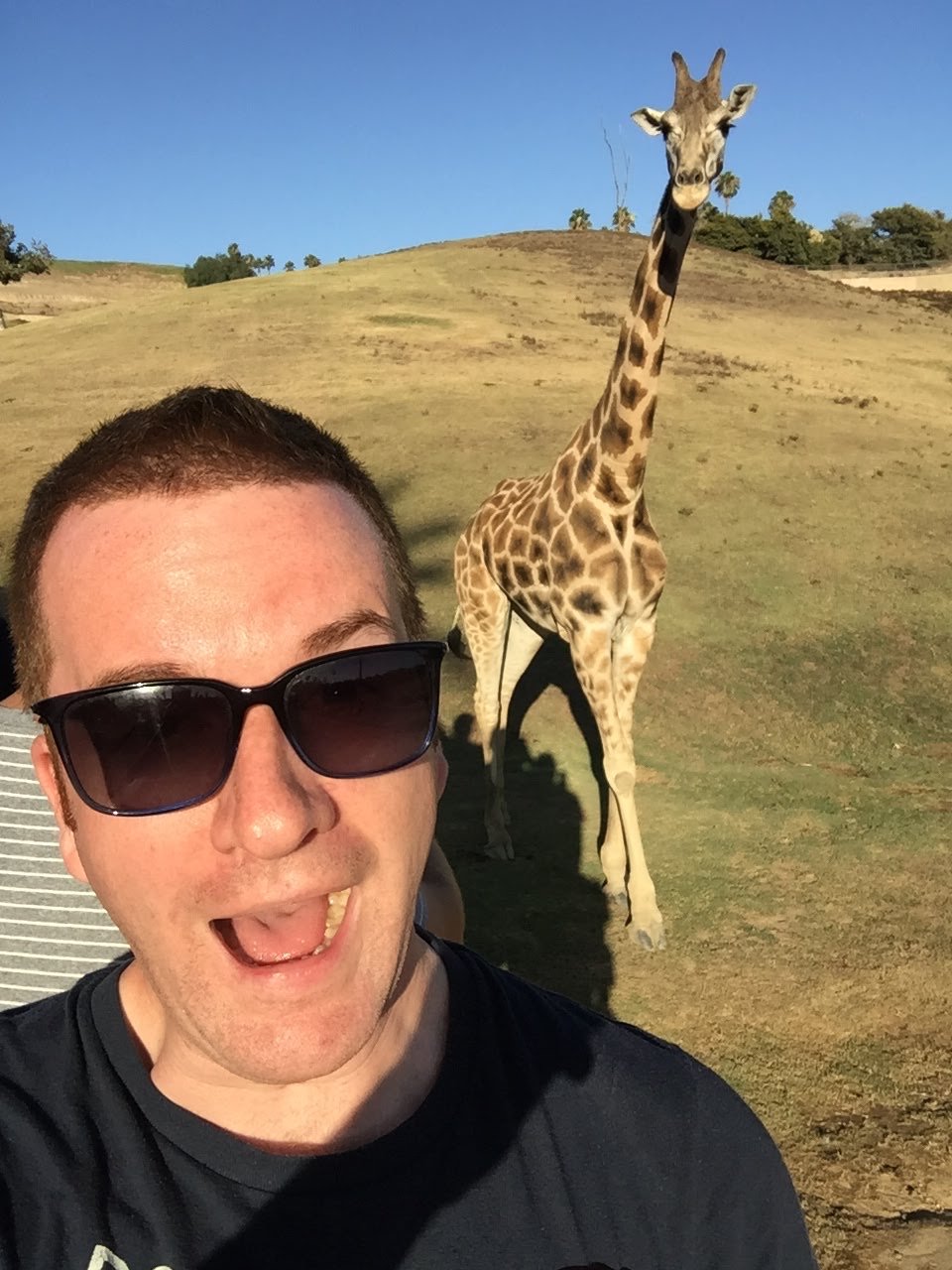
Doing science since 1984
I have been teaching on Team 7B at Wilmette Junior High School since 2006. While teaching is my primary role in education, I have kept myself busy in education's many facets. I have earned my masters and doctorate, I have been a guest speaker at DePaul University on action research in the science classroom, and I presented white papers on the role of science education in socio-scientific issues at UIC. I have participated in the review of science assessment items for ISAT and currently score student responses for the Illinois Science Assessment. For two years I was part of a team of educators and researchers designing NGSS assessments at UIC.
I earned my undergraduate degree in elementary education from Illinois State University. Aside from my education courses, I focused most of my studies in physics, geology, and biology. In 2011, I completed my masters in science education through DePaul University. My masters research focused on how constructivist and inquiry-based curricula and pedagogy affected students' retention and understanding of science concepts. My study found a statistically significant difference in student understanding and retention between students taught using constructivism/inquiry versus traditional lecture/lab methods. Students who are taught using constructivism/inquiry retain science concepts longer, have a better ability to explain these topics, and can better justify their claims regarding these topics.
When I completed my masters, I was asked to stay at DePaul in their curriculum studies doctoral program. My dissertation topic was on the phenomenology of inquiry-based science curricula design and implementation. Researchers have called for detailed accounts of how teachers experience implementing inquiry-based curricula. My study responded to this call and offered recommendations for curriculum developers and school administrators to help ensure the success of new inquiry-based curricula.
Swipe to read my research and more ->
My Research —
Let’s go on a journey!
Here are some links to my research and other resources.
Following —
If you love science as much as I do…
Here are some STEM enthusiasts and others that I love and you should follow. Emoji indicates the platform.
Uh…why are you still swiping? —

 OH HEY, FOR BEST VIEWING, YOU'LL NEED TO TURN YOUR PHONE